News & Ideas is a daily letter for anyone who wants the day's science in one place, not a feed. Each day is 4 news items and 3 ideas across AI & Tech, Physics & Engineering, Biology & Nature, and Mind & Society, and every story names a primary source you can check. The Shorts use a declared synthetic voice.
One email a day. 4 science stories, 5 quick results, 1 idea. 3 minutes.
Plus a daily quiz: Answer & Learn. Free, unsubscribe anytime.
Issue
23 November 2026
2 min read · 1 Short
Biology & Nature: reading a 194-year-old genome, a parasite that lures bugs, organic nitrogen from the sky, explosive eruptions in the deep. Then epigenetic clocks, tortoise genomes, parasites that lure.
One email a day. 4 science stories, 5 quick results, 1 idea. 3 minutes.
Plus a daily quiz: Answer & Learn. Free, unsubscribe anytime.
Biology & Nature
Inside the 194-Year-Old Tortoise's Genome
Biology & Nature: reading a 194-year-old genome, a parasite that lures bugs, organic nitrogen from the sky, explosive eruptions in the deep. Then epigenetic clocks, tortoise genomes, parasites that lure.
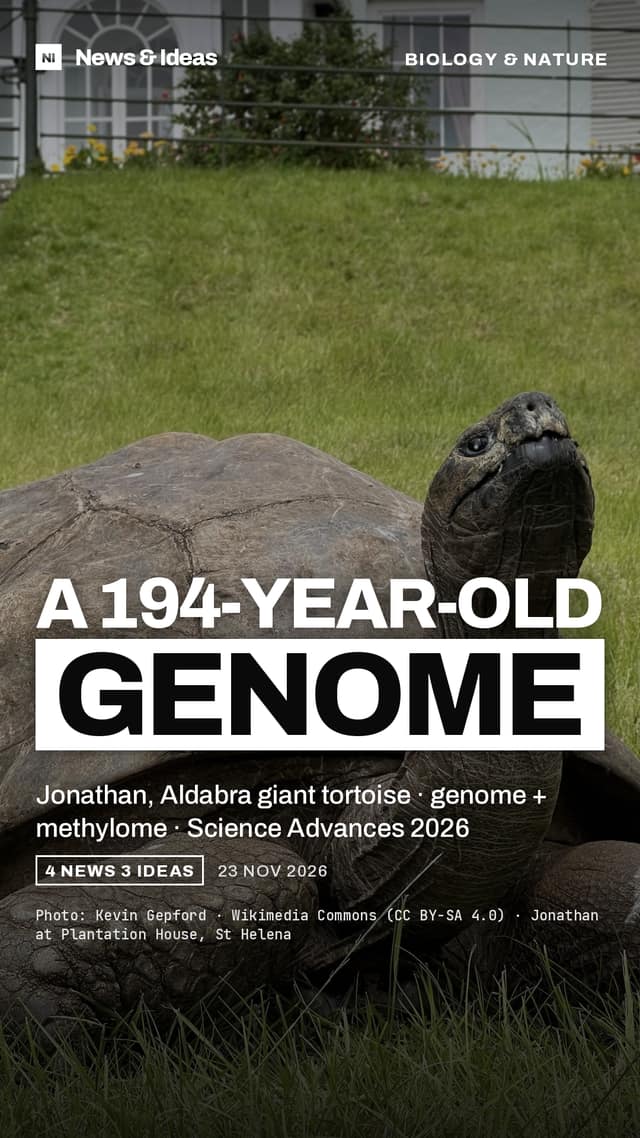
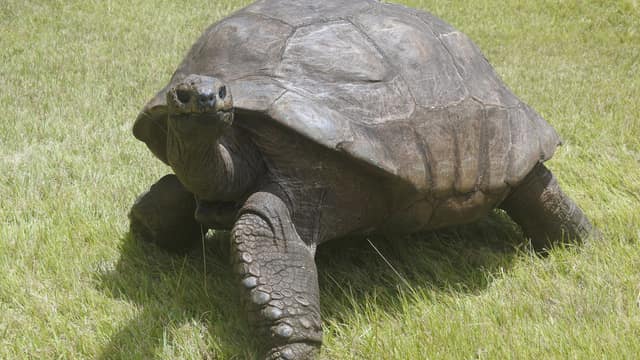
Jonathan, an Aldabra giant tortoise on Saint Helena, is thought to have hatched around 1832. A team led by the longevity nonprofit Kallel sequenced his genome and DNA methylation. He carries unique variants in most aging pathways, and gene regulation tied to energy production and DNA repair looks remarkably stable. One animal. Science Advances.
Photo: Luke McKernan · Wikimedia Commons (CC BY-SA 2.0) · Jonathan, St Helena
One email a day. 4 science stories, 5 quick results, 1 idea. 3 minutes.
Plus a daily quiz: Answer & Learn. Free, unsubscribe anytime.
Biology · Parasites
A Parasite That Lures Bugs
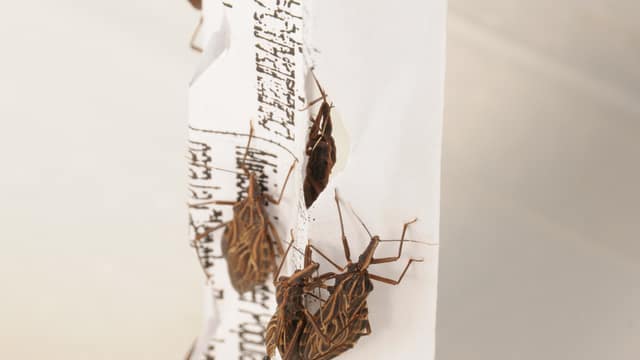
Brazilian and Argentine researchers found that mice infected with the parasite Trypanosoma rangeli attracted more blood-feeding kissing bugs, and caught fewer of them. Nearly half the bugs that fed picked up the parasite. Its relative behind Chagas disease showed no such effect. Proceedings B.
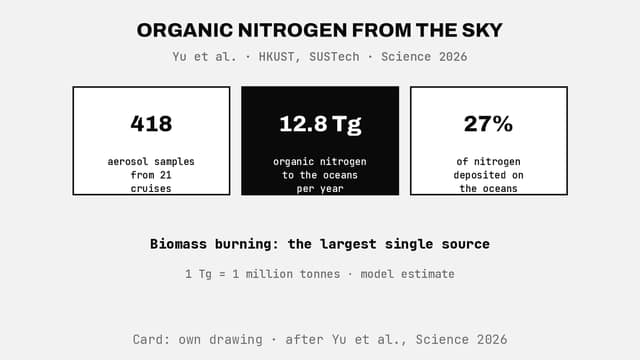
Oceans get nitrogen from the air, and part of it is organic. A team from Hong Kong and Shenzhen measured it in 418 aerosol samples from 21 research cruises, then modeled the globe: about 12.8 million tonnes a year, roughly 27 percent of the nitrogen falling on the oceans. Biomass burning is the largest source. Science.
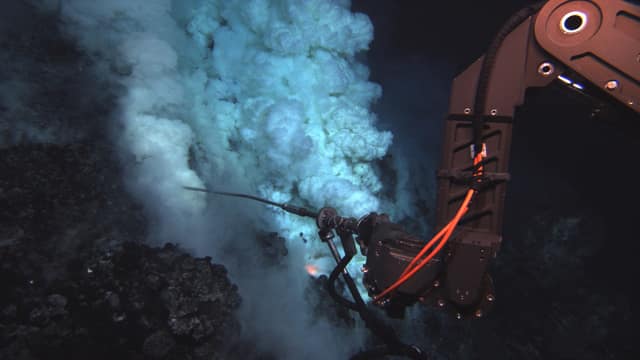
Near the Challenger Deep, the robotic submarine Jason explored the wall of the Mariana Trench. Robert Stern's team at UT Dallas found pyroclastic rocks, debris from explosive eruptions, down to about six kilometers, the deepest documented anywhere in the ocean. Frontiers in Earth Science.
Image: NOAA/NSF · Wikimedia Commons (public domain) · ROV Jason at another vent site, illustrative
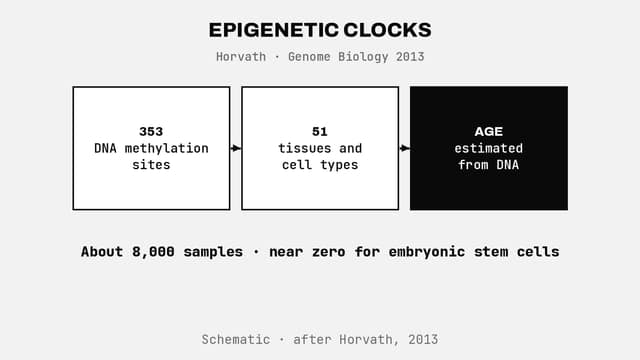
Epigenetic clocks. In 2013, Steve Horvath built a clock from 353 DNA methylation sites that estimates age across most human tissues and cell types. Horvath is also an author of the new Jonathan study.
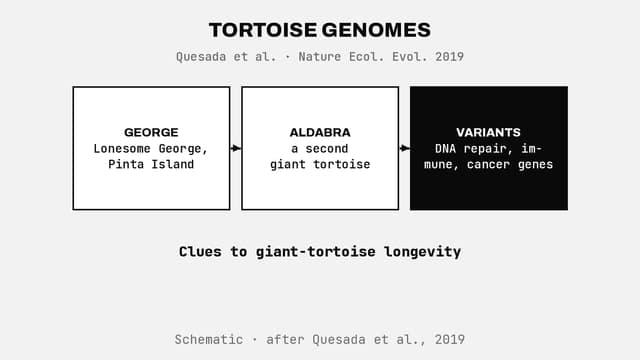
Tortoise genomes. In 2018, Víctor Quesada and colleagues sequenced Lonesome George, the last Pinta Island tortoise, and an Aldabra tortoise. They found variants in DNA repair, immune and cancer-related genes, clues to their long lives.
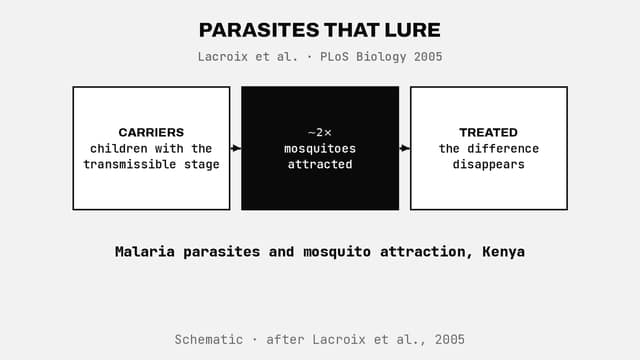
Parasites that lure. In 2005, Renaud Lacroix and colleagues tested Kenyan children with mosquitoes. Children carrying the malaria parasite's transmissible stage attracted about twice as many mosquitoes. After treatment, the difference disappeared.