News & Ideas is a daily letter for anyone who wants the day's science in one place, not a feed. Each day is 4 news items and 3 ideas across AI & Tech, Physics & Engineering, Biology & Nature, and Mind & Society, and every story names a primary source you can check. The Shorts use a declared synthetic voice.
One email a day. 4 science stories, 5 quick results, 1 idea. 3 minutes.
Plus a daily quiz: Answer & Learn. Free, unsubscribe anytime.
Issue
23 November 2026
2 min read · 1 Short
Mind & Society: the Taung Child redated, a bison jump in Texas, misinformation and trust, rudeness is contagious online. Then the man-ape of South Africa, the third-person effect, anyone can become a troll.
One email a day. 4 science stories, 5 quick results, 1 idea. 3 minutes.
Plus a daily quiz: Answer & Learn. Free, unsubscribe anytime.
Mind & Society
The Taung Child Tangles Our Family Tree
Mind & Society: the Taung Child redated, a bison jump in Texas, misinformation and trust, rudeness is contagious online. Then the man-ape of South Africa, the third-person effect, anyone can become a troll.
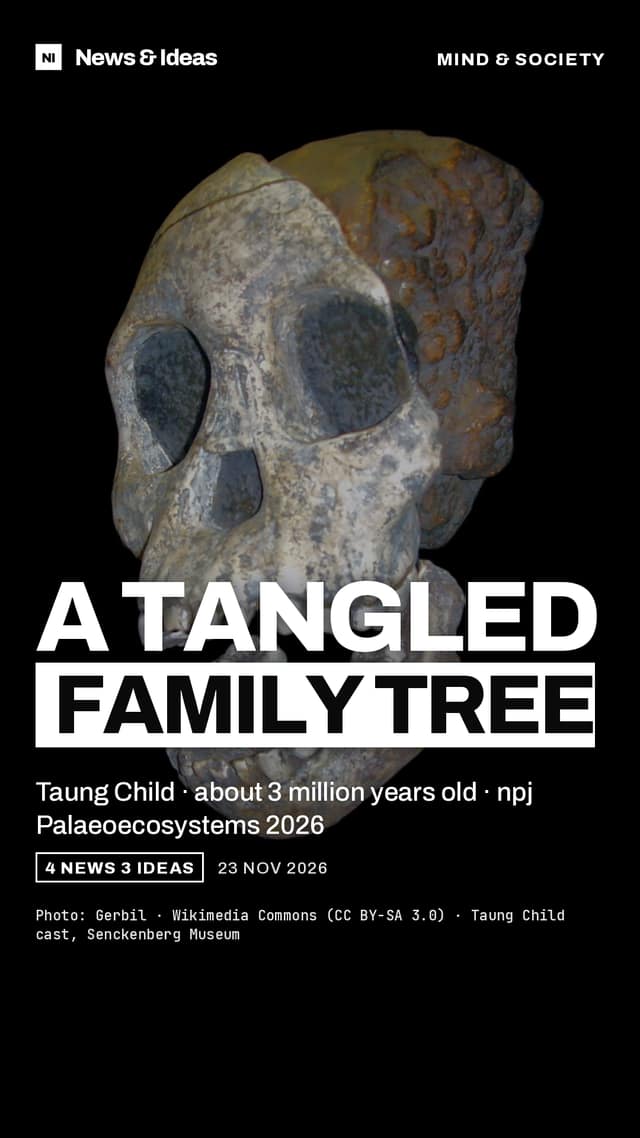
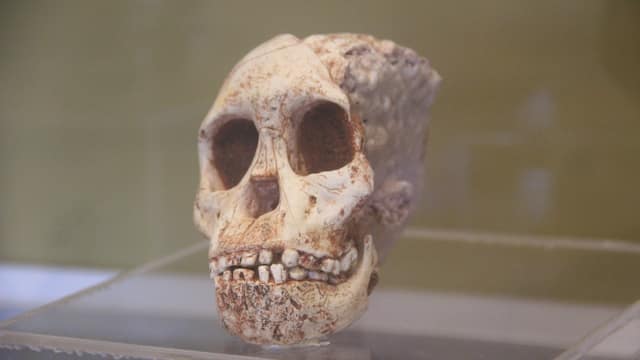
Found in South Africa in 1924, the Taung Child skull defined the species Australopithecus africanus. Gabriele Macho and colleagues dated it to about three million years ago, and found that adult fossils given the same name grew their teeth and brains differently. Several species may have lived side by side. npj Palaeoecosystems.
One email a day. 4 science stories, 5 quick results, 1 idea. 3 minutes.
Plus a daily quiz: Answer & Learn. Free, unsubscribe anytime.
Society · Archaeology
A Bison Jump in Texas
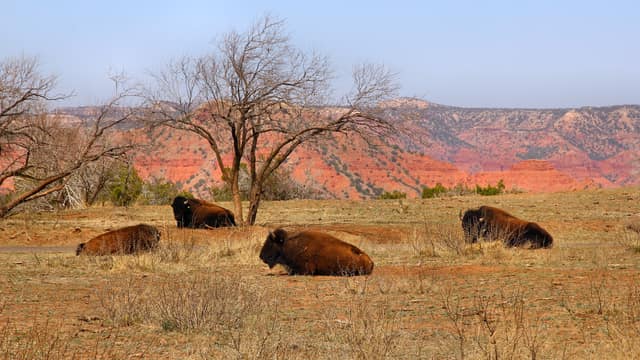
At the Nighthawk site in Texas, a team led by Rice University found that Indigenous hunters drove bison over the same cliff at least seven times, across about 3,000 years. Only the second verified bison jump in Texas, it challenges the idea that the technique belonged to the northern Plains. American Antiquity.
Photo: Larry D. Moore · Wikimedia Commons (CC BY 4.0) · bison at Caprock Canyons State Park
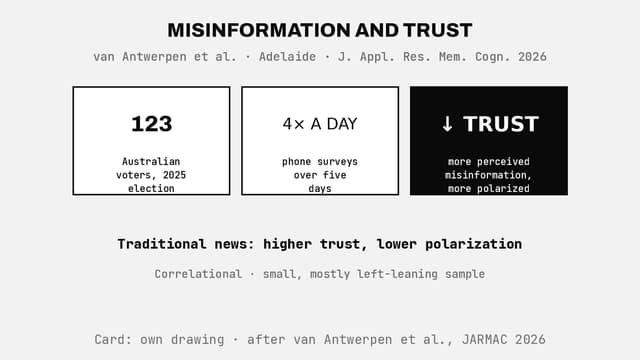
Adelaide psychologists surveyed 123 Australian voters four times a day around the 2025 federal election. The more misinformation people felt they saw, the lower their trust in institutions and the more polarized they were. Traditional news went with higher trust. A small, mostly left-leaning sample. Journal of Applied Research in Memory and Cognition.
Card: own drawing · after van Antwerpen et al., JARMAC 2026
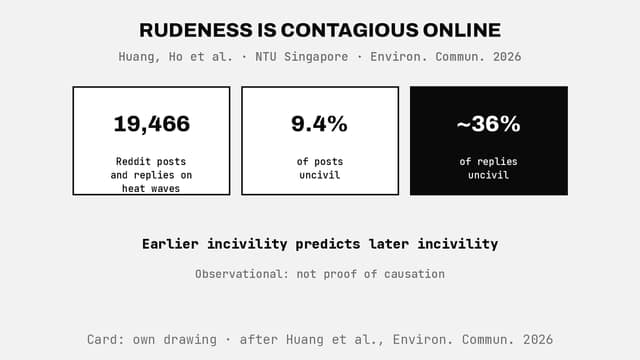
Researchers led by NTU Singapore analyzed about 19,000 Reddit posts and replies about heat waves. About 9 percent of posts were uncivil, but about 36 percent of replies were, and earlier incivility predicted later incivility, while emotions did not. Observational, not proof of cause. Environmental Communication.
Card: own drawing · after Huang et al., Environ. Commun. 2026
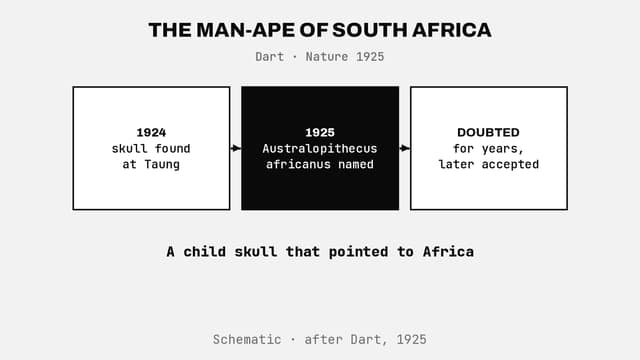
The man-ape of South Africa. In 1925, anatomist Raymond Dart described the Taung skull in Nature and named a new species, Australopithecus africanus. Many experts dismissed it for years, but Africa later proved central to human origins.
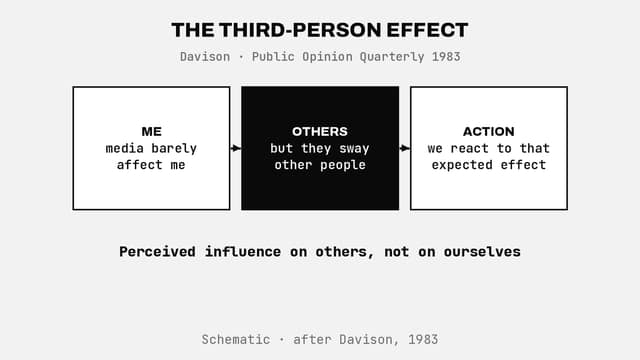
The third-person effect. In 1983, W. Phillips Davison described how people expect media messages to sway others more than themselves. Believing other voters are fooled can erode trust, even when you feel well informed.
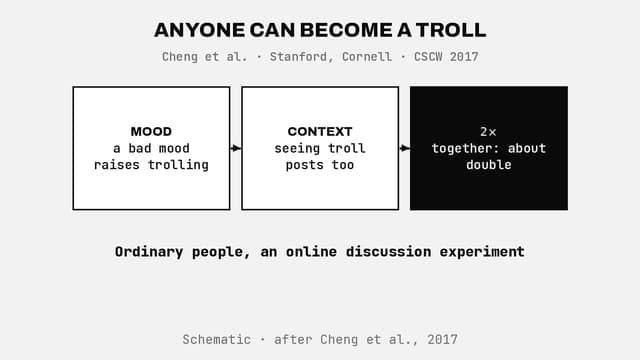
Anyone can become a troll. In 2017, Justin Cheng and colleagues at Stanford and Cornell ran an online experiment. A bad mood and seeing earlier troll posts each raised the chance that ordinary people trolled. Together, they doubled it.