News & Ideas is a daily letter for anyone who wants the day's science in one place, not a feed. Each day is 4 news items and 3 ideas across AI & Tech, Physics & Engineering, Biology & Nature, and Mind & Society, and every story names a primary source you can check. The Shorts use a declared synthetic voice.
One email a day. 4 science stories, 5 quick results, 1 idea. 3 minutes.
Plus a daily quiz: Answer & Learn. Free, unsubscribe anytime.
Issue
28 October 2026
2 min read · 1 Short
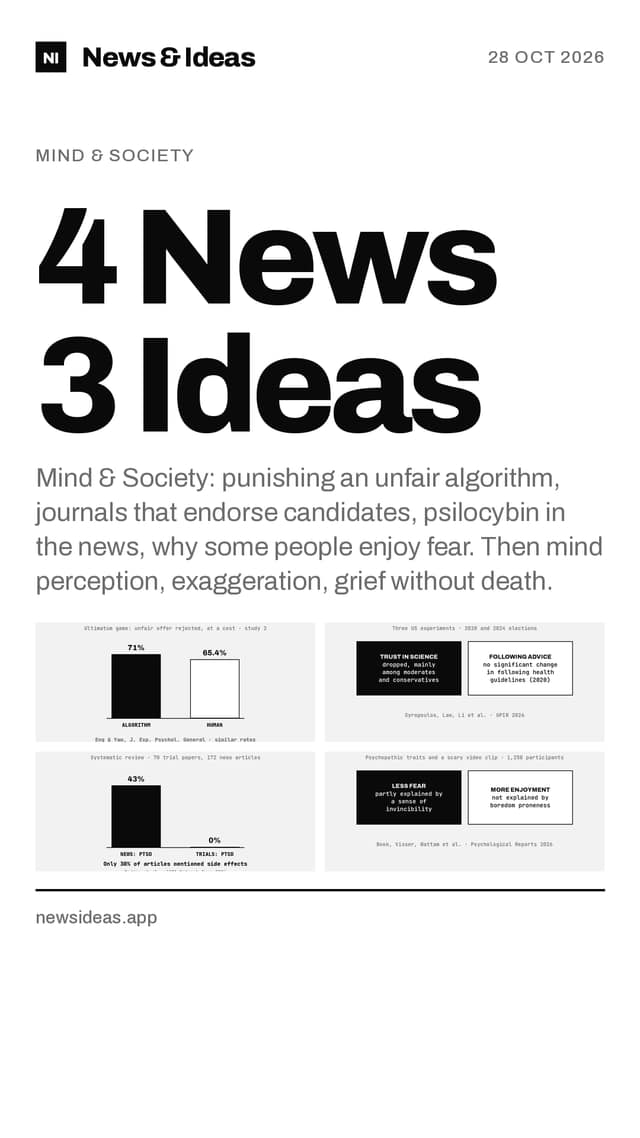
Mind & Society: punishing an unfair algorithm, journals that endorse candidates, psilocybin in the news, why some people enjoy fear. Then mind perception, exaggeration, grief without death.
One email a day. 4 science stories, 5 quick results, 1 idea. 3 minutes.
Plus a daily quiz: Answer & Learn. Free, unsubscribe anytime.
Mind & Society
Punishing algorithms, psilocybin hype, fear
Mind & Society: punishing an unfair algorithm, journals that endorse candidates, psilocybin in the news, why some people enjoy fear. Then mind perception, exaggeration, grief without death.
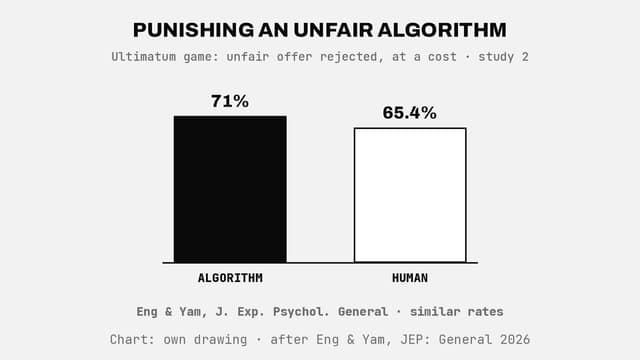
In economic games, people rejected unfair offers from an algorithm as often as from a human, giving up money to punish it. In one study, 71 percent rejected the algorithm, 65 percent the human. A punished algorithm that sounded hurt, or promised fairer offers, could strengthen the sense that justice was done.
One email a day. 4 science stories, 5 quick results, 1 idea. 3 minutes.
Plus a daily quiz: Answer & Learn. Free, unsubscribe anytime.
Psychology · Politics
When science journals endorse candidates, trust drops
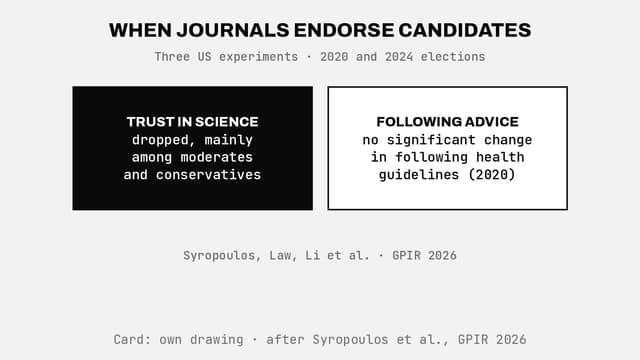
In experiments around the 2020 and 2024 US elections, reading a science journal's political endorsement lowered trust in science, mainly among moderates and conservatives. In the 2020 studies, it did not significantly change people's willingness to follow health guidelines. Published in Group Processes and Intergroup Relations.
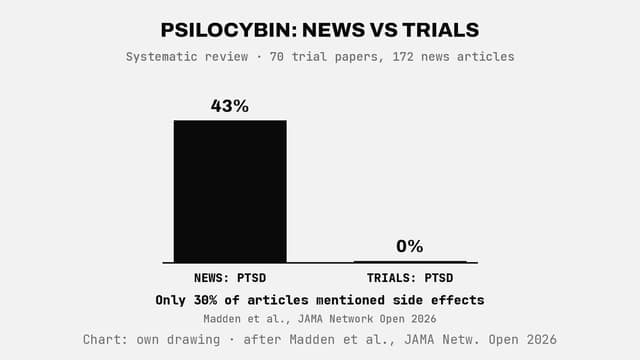
A systematic review compared 70 psilocybin trial papers with 172 news articles. Trials stressed small samples and limits; news often presented benefits as settled. 43 percent of articles mentioned PTSD, though no included trial tested it, and only 30 percent mentioned side effects. Published in JAMA Network Open.
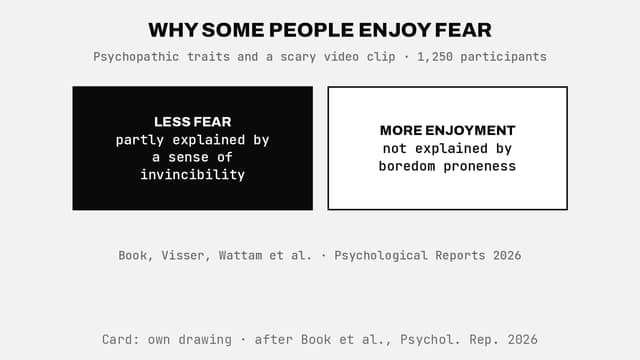
People with more psychopathic traits found a scary video less distressing and more exciting. A sense of invincibility helped explain the lower fear, but proneness to boredom did not explain the enjoyment. The links were modest. Published in Psychological Reports.
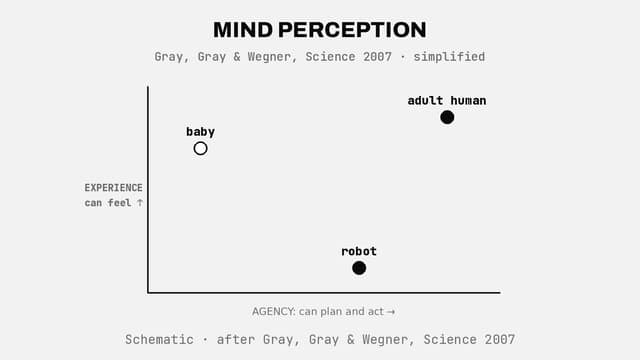
Mind perception. We judge other minds on two dimensions: agency, the ability to plan and act, and experience, the ability to feel. Machines score some agency but almost no experience. That split makes punishing them feel strange, yet we do it.
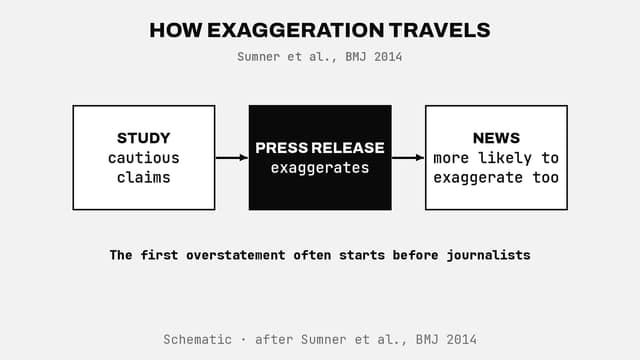
Exaggeration often starts before the news. A 2014 study found that when university press releases overstated a study, news stories were more likely to overstate it too. Checking the original paper is the best defence.
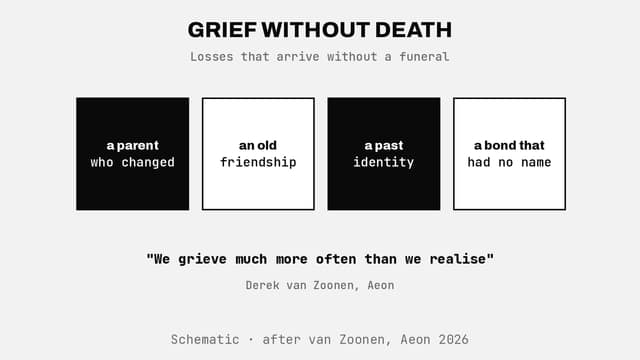
Grief without death. A philosopher argues in Aeon that we grieve far more often than we realise: a parent who changes, a friendship that fades, an identity left behind. Most losses arrive without a funeral, and without a name.
4 News 3 IdeasNews and Ideasmind and societypsychologyalgorithmspunishmentultimatum gamejusticemind perceptiontrust in sciencepolitical endorsementsscience journalspsilocybinpsychedelicsscience communicationmedia hypepress releasespsychopathyfearhorrorinvincibilitygriefambiguous loss
Mind & Society
Question of the day
In the psilocybin review, what share of news articles mentioned PTSD as a use?
43 percent
12 percent
3 percent
The ballot is in the email. Each choice there is counted once.