News & Ideas is a daily letter for anyone who wants the day's science in one place, not a feed. Each day is 4 news items and 3 ideas across AI & Tech, Physics & Engineering, Biology & Nature, and Mind & Society, and every story names a primary source you can check. The Shorts use a declared synthetic voice.
One email a day. 4 science stories, 5 quick results, 1 idea. 3 minutes.
Plus a daily quiz: Answer & Learn. Free, unsubscribe anytime.
Issue
24 November 2026
2 min read · 1 Short
Mind & Society: curses stabbed and burned, a marketing trick for rats, one code for many languages, why some talks take off. Then the decoy effect, one language network, most advanced yet acceptable.
One email a day. 4 science stories, 5 quick results, 1 idea. 3 minutes.
Plus a daily quiz: Answer & Learn. Free, unsubscribe anytime.
Mind & Society
Ancient Egypt’s Stabbed, Burned Curses
Mind & Society: curses stabbed and burned, a marketing trick for rats, one code for many languages, why some talks take off. Then the decoy effect, one language network, most advanced yet acceptable.
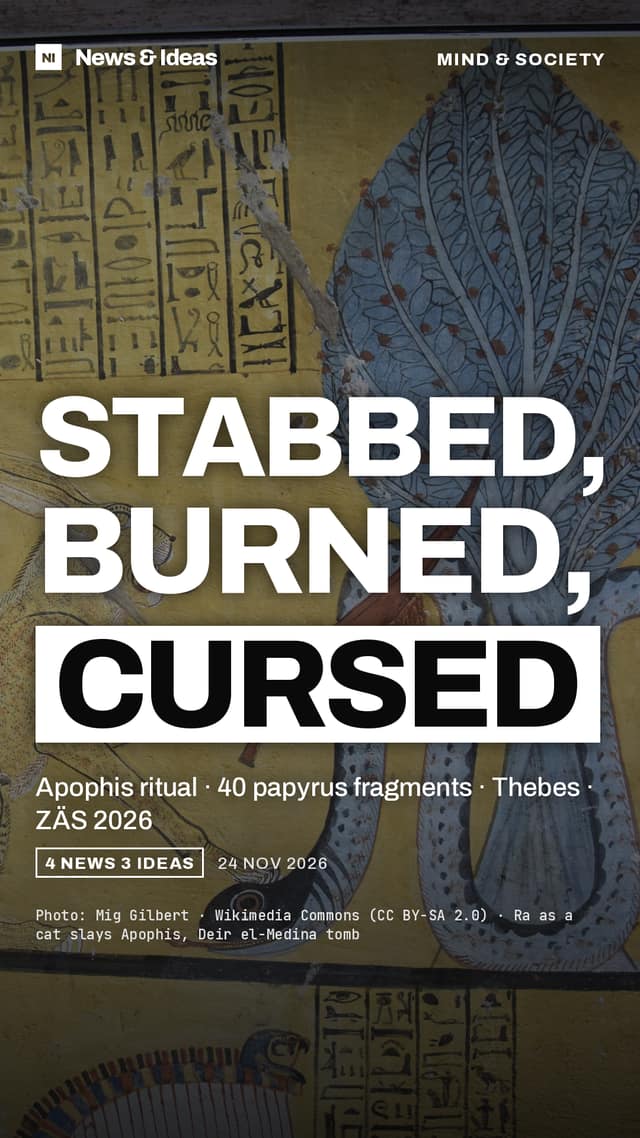
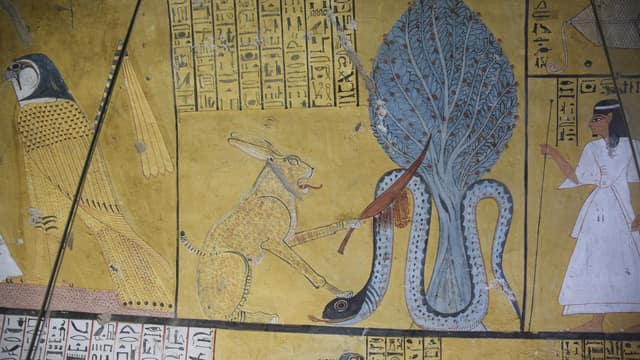
At the temple of Thutmose the Third in Thebes, a Copenhagen-led team found 40 charred, pierced papyrus fragments in a trash deposit. They are mass-produced copies of the Apophis ritual, a curse on the serpent who fought the sun god Ra each night. So the ritual was routine temple life, not a rare rite. Open access.
Photo: Mig Gilbert · Wikimedia Commons (CC BY-SA 2.0) · Ra as a cat slays Apophis, Deir el-Medina tomb
One email a day. 4 science stories, 5 quick results, 1 idea. 3 minutes.
Plus a daily quiz: Answer & Learn. Free, unsubscribe anytime.
Behavior · Decisions
A Marketing Trick for Rats
Restaurants list a wildly expensive wine to make the others look cheap. Researchers tried that decoy trick on wild black rats near Sydney: tunnels with plain food, plus tempting peanut butter outside that they couldn't reach. With that phantom food present, rats were 83 percent more likely to enter. Journal of Applied Ecology.
Photo: Ryan Hodnett · Wikimedia Commons (CC BY-SA 4.0) · a black rat, Rattus rattus, illustrative
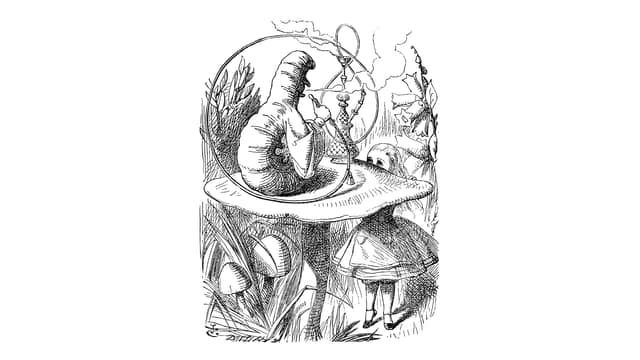
MIT researchers scanned speakers of 21 languages, from Marathi to Korean, as they listened to Alice in Wonderland. Models built from multilingual AI predicted brain responses in every language, and one trained on French could predict Vietnamese. That points to a shared, meaning-based code in the brain. Nature Neuroscience.
Illustration: John Tenniel, 1865 · public domain · Alice's Adventures in Wonderland
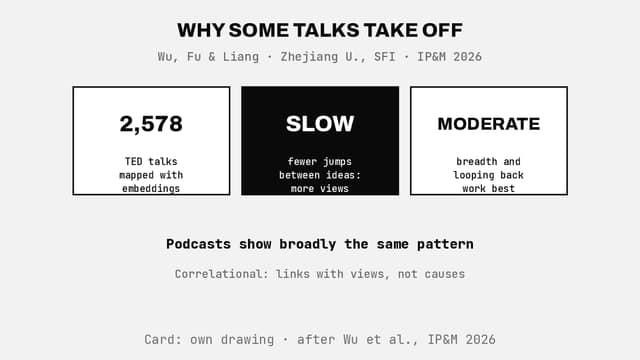
Why do some TED talks take off? Researchers mapped the meaning of 2,578 talks with language embeddings, measuring how fast each one jumps between ideas. The most-viewed moved slowly, with moderate breadth and some looping back. Podcasts showed a similar pattern. Information Processing and Management.
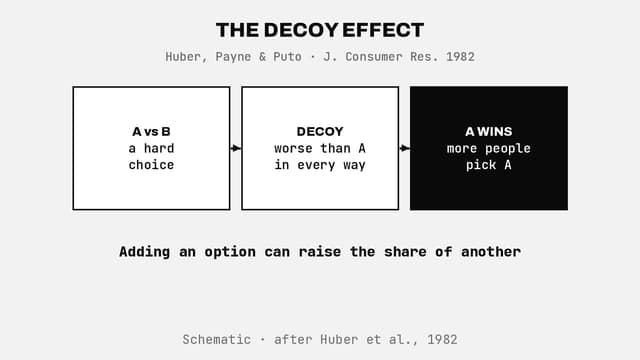
The decoy effect. In 1982, Joel Huber, John Payne and Christopher Puto showed that adding an option nobody picks, worse than one choice in every way, makes that choice more popular. It breaks a basic rule of rational choice.
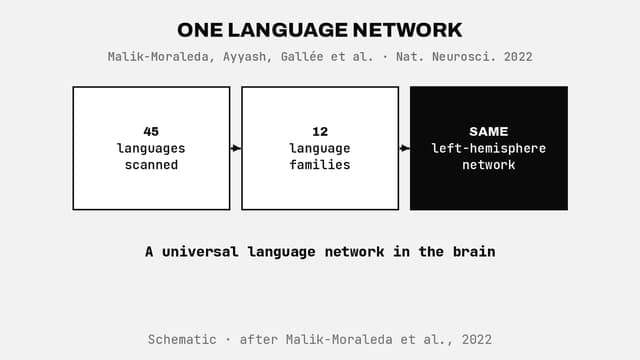
One language network. In 2022, Saima Malik-Moraleda and colleagues scanned speakers of 45 languages from 12 language families. The same left-hemisphere network handled language in all of them. The new study looks inside it for shared meaning.
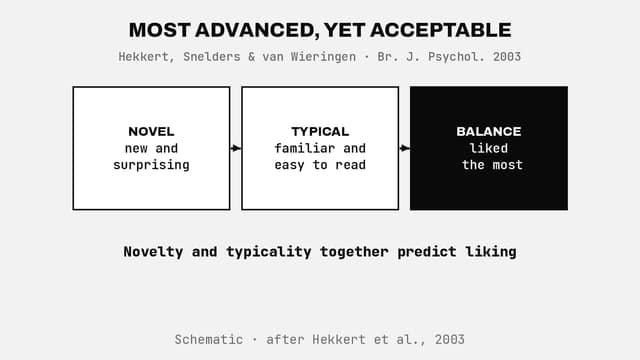
Most advanced, yet acceptable. In 2003, Paul Hekkert and colleagues found that people like designs that balance novelty and typicality: new, but not too strange. Popular talks seem to strike the same balance.
Hekkert, Snelders & van Wieringen · Br. J. Psychol. 2003