Biology & Nature: salt marshes vs storms, lightning-fast crows, a new human virus, prime editing in the body. Then brains without a cortex, nature-based defence, One Health.
Biology & Nature
Salt marshes vs storms, fast crows, prime editing
Biology & Nature: salt marshes vs storms, lightning-fast crows, a new human virus, prime editing in the body. Then brains without a cortex, nature-based defence, One Health.
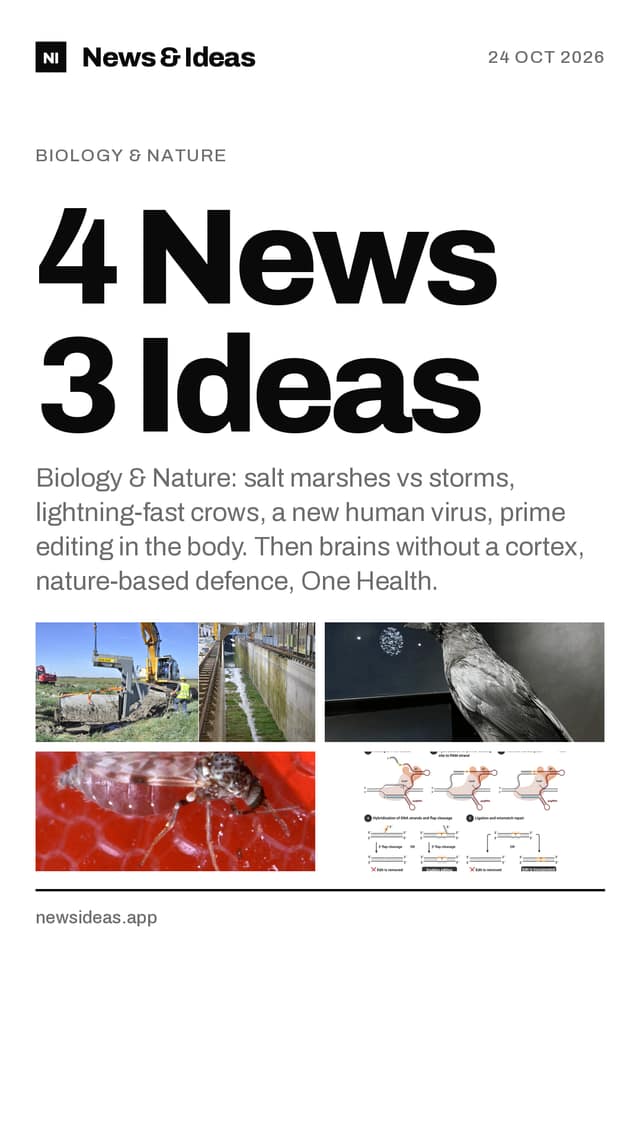
Researchers moved an intact salt marsh into the Delta Flume in the Netherlands, and hit it with waves up to two metres high. The soil barely eroded, but the plants were progressively damaged. Waves up to one metre were damped by up to fifty percent; bigger waves, by ten percent at most.
Photos: Willemsen et al., Nature (2026) · CC BY-NC-ND 4.0
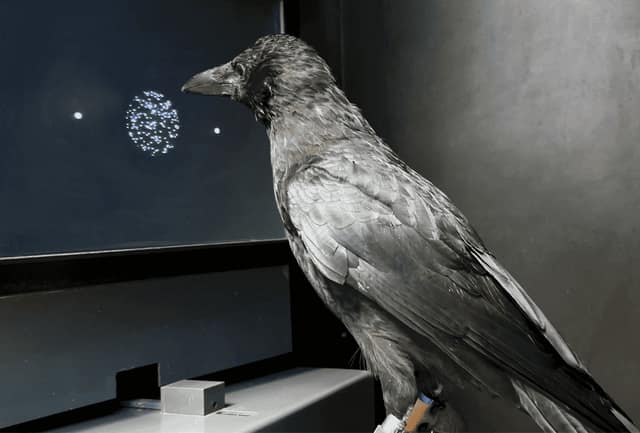
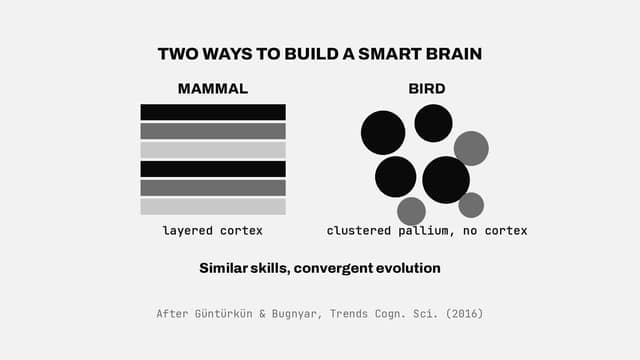
In Tübingen, two carrion crows, Iggy and Lemmy, learned a moving-dots decision task used for three decades with primates. They answered in about 235 milliseconds on average, twice as fast as primates in earlier studies, with comparable accuracy. And they did it without a layered cortex. Published in Science.
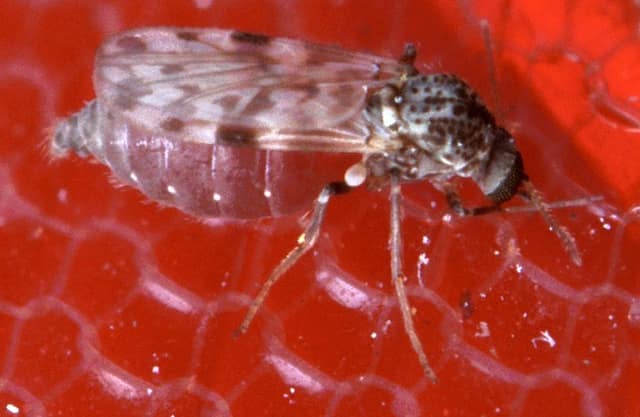
Eurosurveillance reports the first known human infection with Shamonda virus, a cattle virus whose new strains emerged in Europe this summer. A man in his sixties in France, with a weakened immune system, died of encephalitis. The virus was found in his spinal fluid. He was probably infected by biting midges, and researchers consider person-to-person spread a low risk.
Photo: biting midge, Scott Bauer / USDA ARS · Public domain
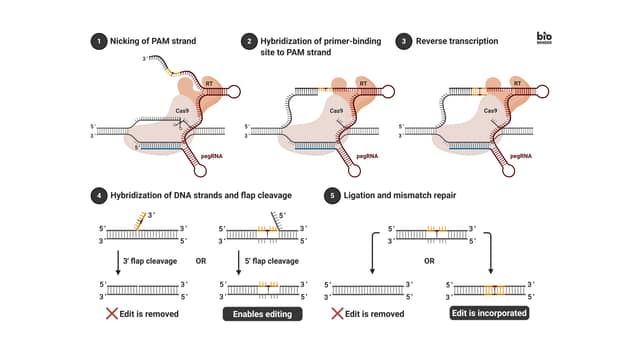
Prime Medicine has used prime editing inside the human body for the first time. In a trial for Wilson's disease, it rewrites DNA in liver cells to fix mutations in the ATP7B gene, which stop the body clearing excess copper. Prime editing can insert, delete and rewrite stretches of DNA. First results are expected next year.
Diagram: Ldinatto · Wikimedia Commons · CC BY-SA 4.0
Parrots and crows match primates on many cognitive tasks, and birds have no cortex at all. Their forebrain, the pallium, is organised differently, yet it is homologous to ours and similar down to the cellular level. Birds and mammals split more than 300 million years ago, so these skills evolved in parallel.
Güntürkün & Bugnyar, Trends Cogn. Sci. 2016
Diagram: own drawing · Güntürkün & Bugnyar 2016
Cognition without CortexTrends in Cognitive Sciences · 2016 · Primary · Güntürkün & Bugnyar (2016)
Idea · Coasts
Nature-based coastal defence
Sea walls must keep growing as seas rise and land sinks. In 2013, researchers argued in Nature that creating and restoring coastal ecosystems can protect against floods in a more sustainable, cheaper way, in suitable places. This week's flume test shows both sides: strong damping of moderate waves, and much less in the biggest storms.
Temmerman et al. 2013 · Willemsen et al. 2026
Max wave damping, %
WAVES ≤ 1 M
50
WAVES > 1 M
10
Chart: own drawing from Willemsen et al., Nature 2026
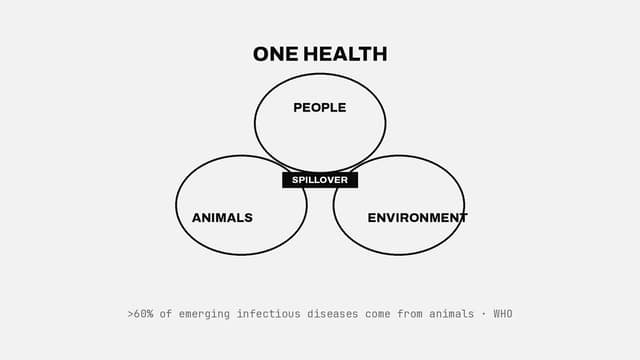
One Health. The World Health Organization describes it as one approach to the health of people, animals, plants and ecosystems together, not separately. More than sixty percent of emerging infectious diseases reported worldwide come from animals. Shamonda is a textbook case: a cattle virus, carried by insects, reaching a person.