A smoking gun for high-temperature superconductivity
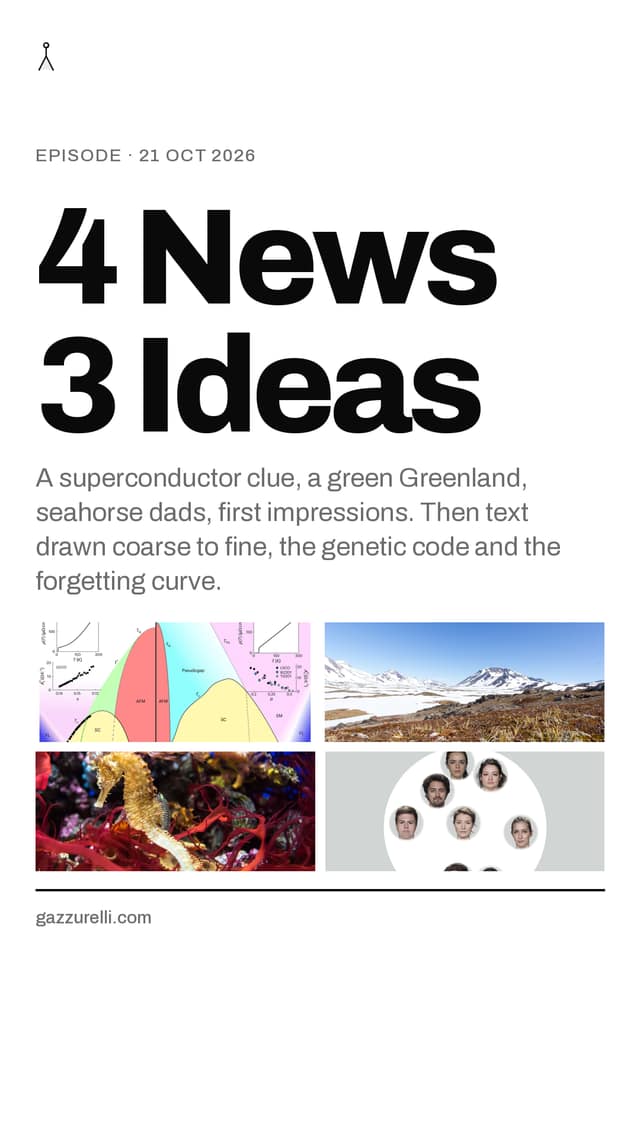
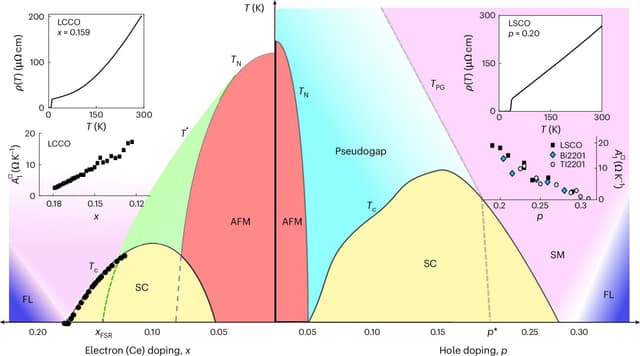
Physicists led by the University of Bristol report in Nature Physics that, in an electron-doped copper oxide, superconductivity comes from conduction electrons interacting with fluctuating spins. They call it half the riddle: the record-breaking hole-doped cuprates need a second, still missing ingredient.
Cold War samples reveal a warmer, ice-free Greenland
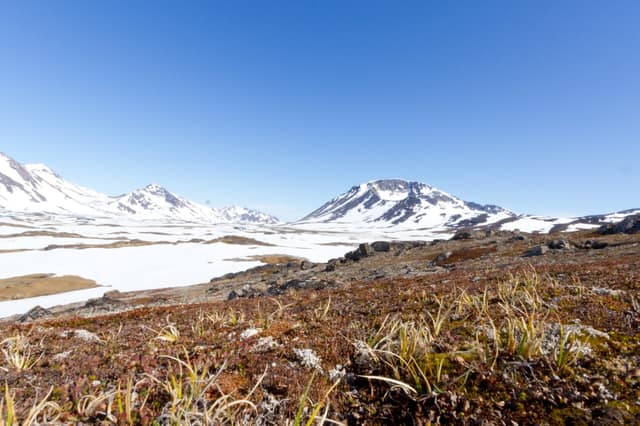
Sediment pulled from under the Camp Century base in the 1960s shows the site was ice-free about 416,000 years ago, with summers 4.7 degrees Celsius warmer than today. Similar warmth after the last ice age didn't melt the ice there, so how long warming lasts may matter as much as how hot it gets.
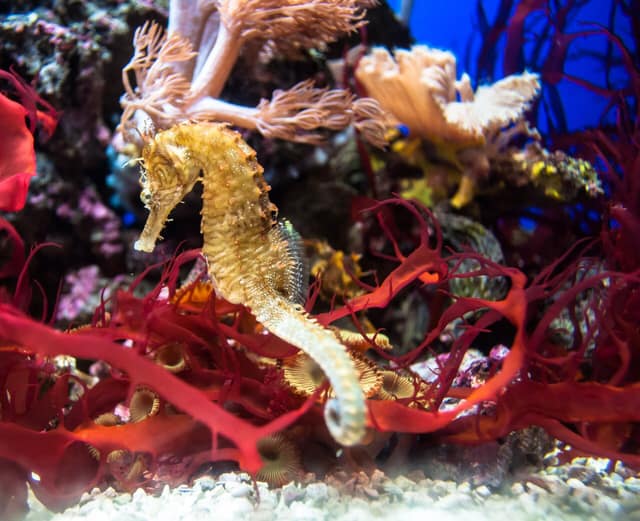
Male seahorses carry embryos in a brood pouch, and ammonia waste must get out. A team at Sophia University found ammonia-transporting Rh proteins in the pouch lining and in blood cells, suggesting the waste travels through the father's bloodstream to his gills.
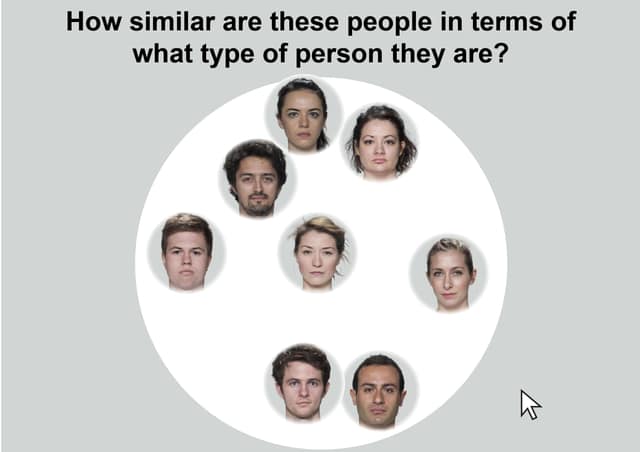
Instead of rating faces as trustworthy or competent, more than 3,000 people at Caltech simply arranged faces by how similar their personalities looked. Five dimensions emerged: approachability, warmth, competence, morality and youthfulness. It maps our biases, not anyone's real personality.
Next-concept modeling. Chatbots usually write one token at a time. A Stanford paper takes the image trick of next-scale prediction to text. An encoder compresses a passage into levels of codes, from a short coarse sketch to fine detail. A transformer then predicts each level in parallel, about twelve steps instead of one per token. At around a hundred million parameters it matches or beats diffusion language models while running ten to thirty one times faster.
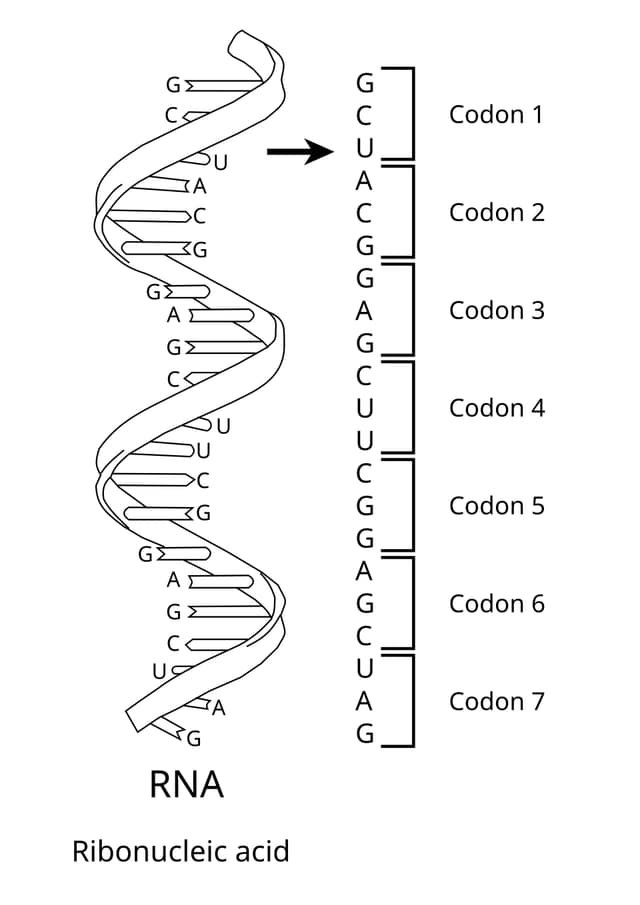
The genetic code. A gene is a message written with four letters. It's copied into messenger RNA. Then a ribosome reads it three bases at a time. Each triplet, or codon, calls for one amino acid. Four letters in groups of three give sixty four codons for just twenty amino acids, so the code is redundant, and three codons mean stop. The chain then folds into a protein, built from those left-handed amino acids we met yesterday.
yourgenome (Wellcome) · NHGRI Genetic Code
Diagram: RNA codons, Wikimedia Commons, public domain
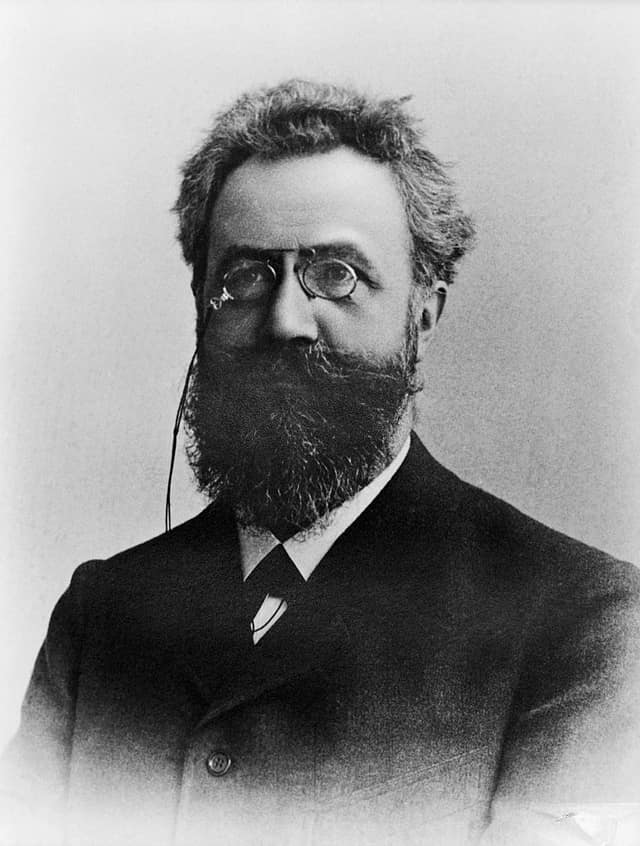
The forgetting curve. In the eighteen eighties Hermann Ebbinghaus memorised lists of nonsense syllables, then measured how much time he saved when relearning them later. Forgetting is fastest right after learning, then slows down. In 2015, Murre and Dros replicated it with results close to the original. That curve is why this show reviews ideas after one, three, seven, twenty one and sixty days.