AI & Tech: RFD4-Proteina, plain RAG vs agent memory, where "wait" comes from, six-week forecasts. Then lost in the middle, RL sharpens, protein diffusion.
AI & Tech: RFD4-Proteina, plain RAG vs agent memory, where "wait" comes from, six-week forecasts. Then lost in the middle, RL sharpens, protein diffusion.
RFD4-Proteina: protein design that thinks longer (preprint)
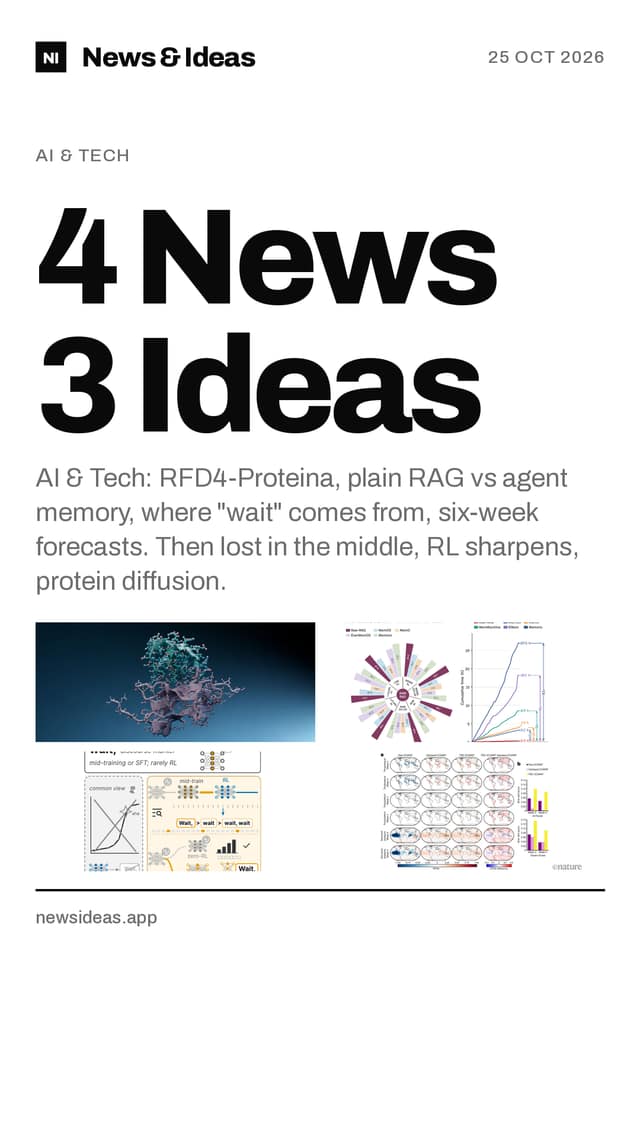
The Institute for Protein Design and NVIDIA released RFD4-Proteina, an open model that can spend more computing on hard design problems. It succeeds five to ten times more often, and runs five to ten times faster. With Manchester, it designed enzymes for making an HIV prevention drug. It is still a preprint.
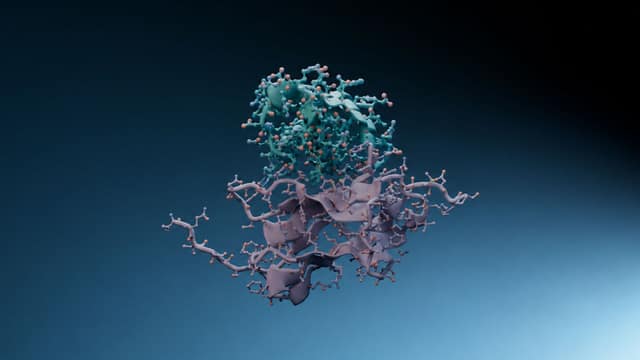
Do AI agents need complex memory? Researchers in China tested plain retrieval and reranking over the raw conversation history. It ranked first in six of seven benchmark settings, beating the strongest agentic memory system by up to 5.5 points, because it keeps more of the evidence.
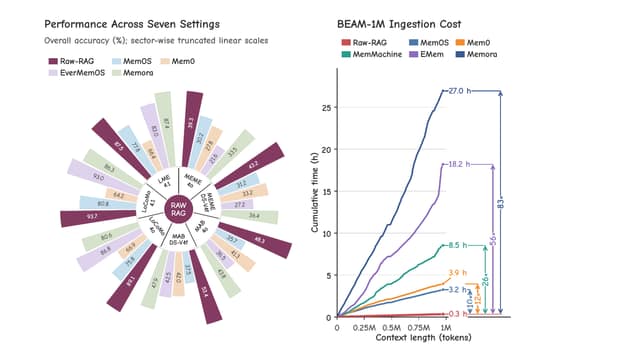
Reasoning models often write 'wait' before rechecking a step, usually credited to reinforcement learning. A Hong Kong team traced the word through open models' training. Reinforcement learning from scratch almost never coins it; it arrives with training data. So counting 'wait' is no proof of learned reasoning.
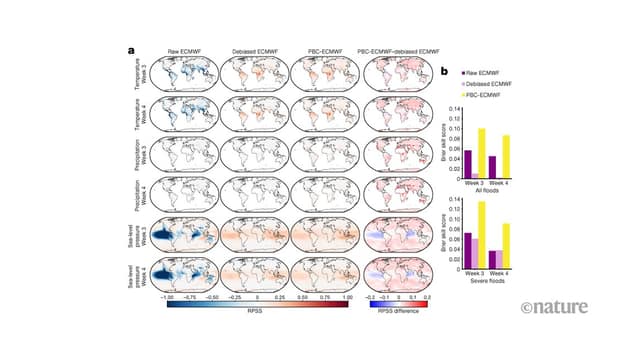
Forecasts two to six weeks ahead are notoriously hard. A team including MIT and Microsoft built a machine-learning layer that learns a forecast model's past errors and corrects them. In a European competition, it doubled the model's predictive power and beat climate averages. Published in Nature.
Figure: Nature briefing, Guan et al. 2026 · CC BY-NC-ND 4.0
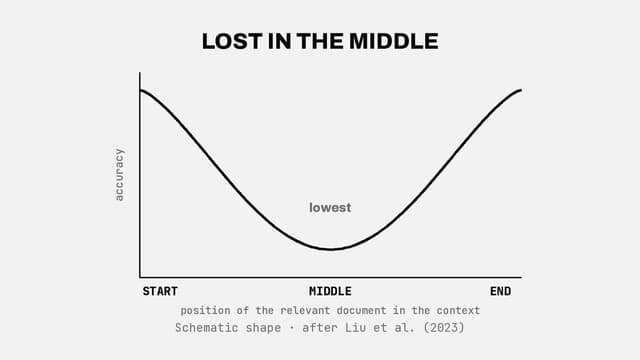
Lost in the middle. Language models use information best at the start or end of their context, and worst in the middle. In a 2023 test with twenty documents, accuracy dropped when the right one sat in the middle. That is one reason reranking, which puts the best evidence first, still matters.
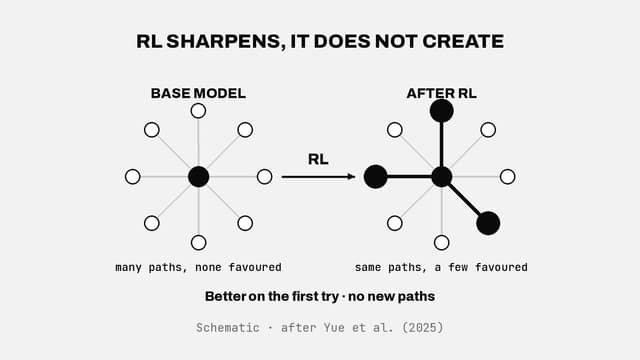
Reinforcement learning with verifiable rewards makes a model likelier to find a correct reasoning path on its first try. But a 2025 study found those paths were already in the base model: given many attempts, it solves as many problems, or more. Training sharpens what is there, like today's 'wait'.
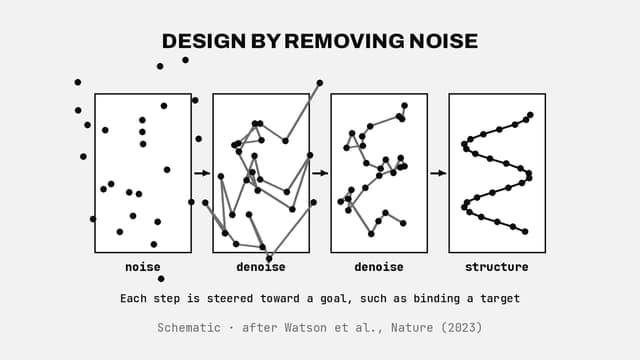
Diffusion models start from random noise and remove it step by step, the way image generators sharpen a picture. RFdiffusion applied this to protein backbones: start from scrambled coordinates, then denoise toward a structure that meets a goal, such as binding a target. It is an ancestor of today's RFD4-Proteina.
Figure: Nature briefing, Guan et al. 2026 · CC BY-NC-ND 4.0
Diagram: own drawing · Liu et al. 2023
Diagram: own drawing · Yue et al. 2025
Diagram: own drawing · Watson et al. 2023
Voice: synthetic (neural text-to-speech).
Scripts written from the linked sources.
4 News 3 IdeasNews and IdeasAI and techartificial intelligenceprotein designRFD4-ProteinaInstitute for Protein DesignNVIDIAenzyme designRAGretrieval augmented generationagent memoryrerankingreasoning modelsreinforcement learningLLMsubseasonal forecastingweather forecastlost in the middleRFdiffusiondiffusion modelsmachine learning
Question of the day
In how many of seven benchmark settings did plain retrieval with reranking rank first?
Three
Six
All seven
The ballot is in the email. Each choice there is counted once.