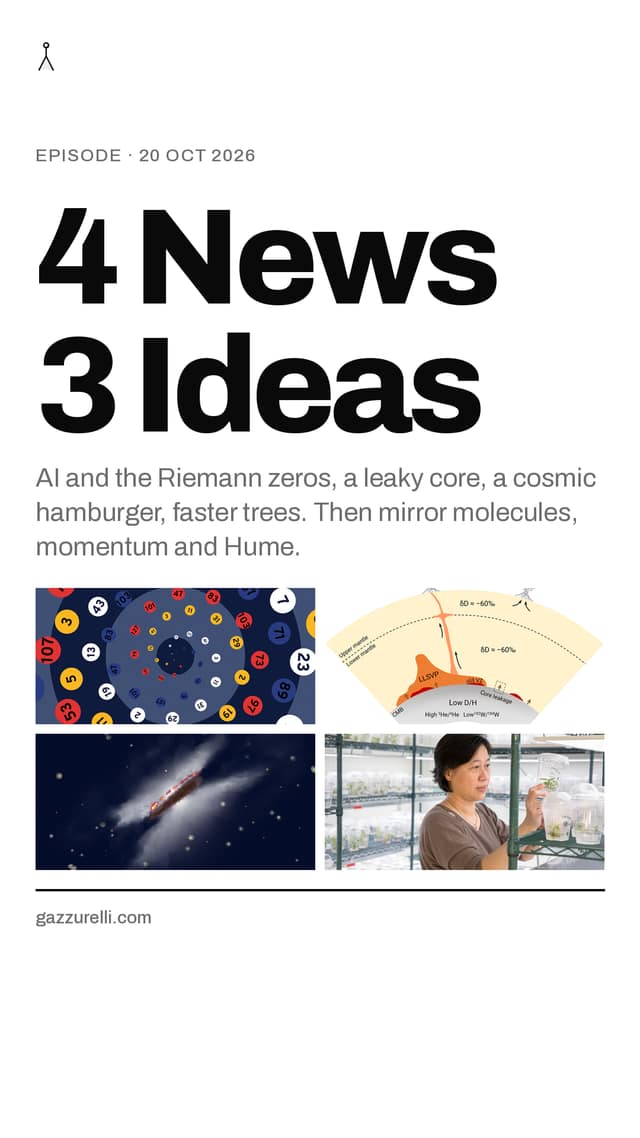
OpenAI's model proved the quasi-Riemann hypothesis: all the nontrivial zeros of the zeta function lie in a narrower strip, between one twelfth and eleven twelfths. Experts quoted by Quanta largely agree it's correct, and Stanford's Jared Lichtman calls it the most significant AI-for-math achievement so far.
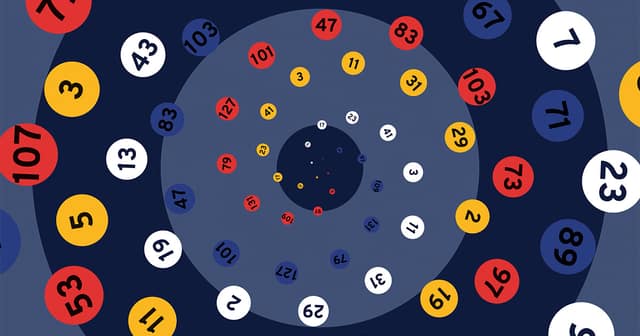
Some deep volcanic lavas, from places like Iceland, carry hydrogen unusually poor in deuterium. A Science Advances study simulated the early magma ocean and found it can't explain that signature. The likely culprit: hydrogen leaking out of Earth's core for billions of years.
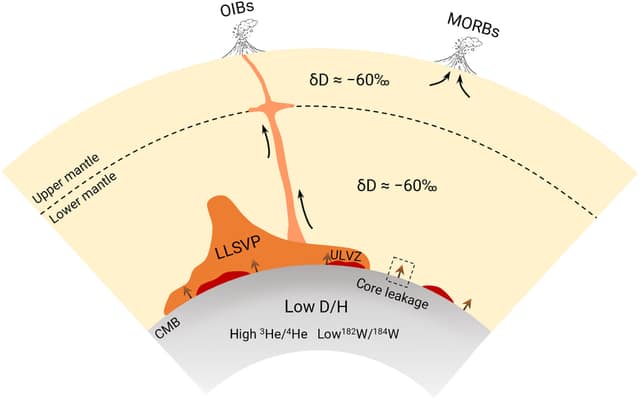
With the ALMA telescope, astronomers spotted the earliest phases of giant planet formation in Gomez's Hamburger, a huge disk of gas and dust seen almost edge-on. It's a rare benchmark for testing how planets form far from their star.
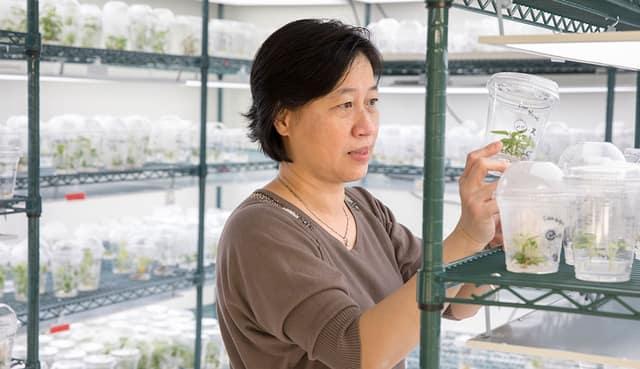
CRISPR rewires poplar chromosomes in one generation
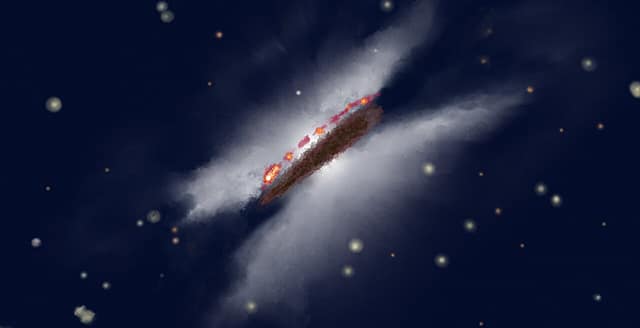
And in biology, University of Georgia researchers used CRISPR to trigger large chromosome rearrangements in poplar trees in a single generation, a shortcut that could cut decades from tree breeding.
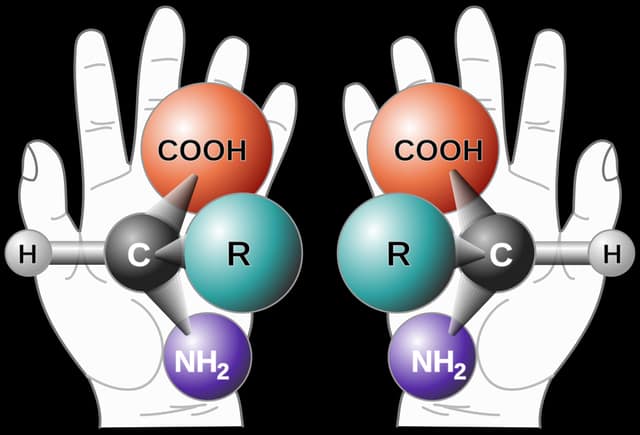
Chirality. Some molecules come in two mirror-image forms, like your left and right hands: same parts, same distances, yet you can't superimpose them. Usually the cause is a carbon atom bonded to four different groups. And the two forms can behave differently. R carvone smells of spearmint. Its mirror twin, S carvone, smells of caraway. Life picks one side: proteins are built from L amino acids, DNA and RNA from D sugars. Why just one hand? That's the puzzle behind this year's chemistry Nobel.
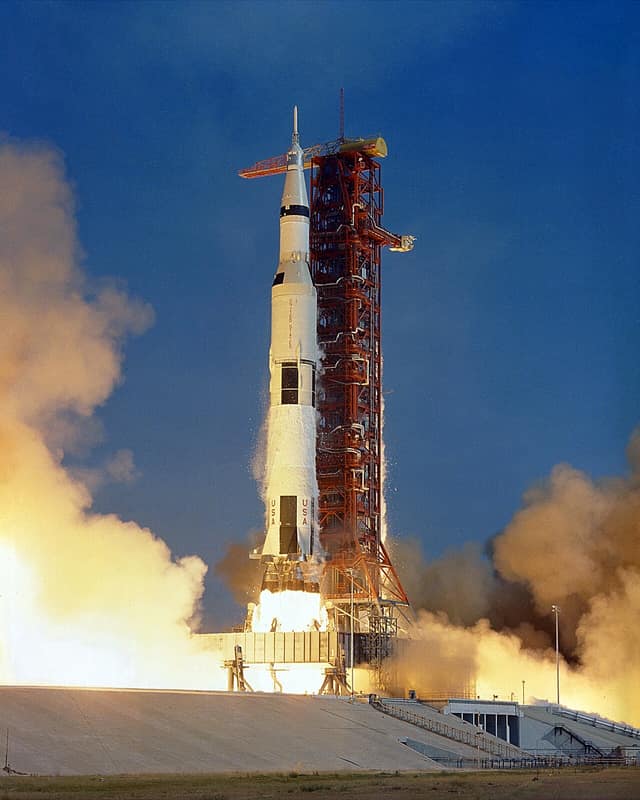
Conservation of momentum: how rockets push on nothing
Conservation of momentum. Momentum is mass times velocity. In an isolated system the total never changes, because every internal push comes as a third-law pair: equal, opposite, at the same instant. An astronaut floating in space throws a wrench forward, and drifts backward. A rifle kicks back when the bullet leaves. And a rocket needs no air to push against: it throws exhaust backward at high speed, and gains the same momentum forward. It's yesterday's third law, added up over time.
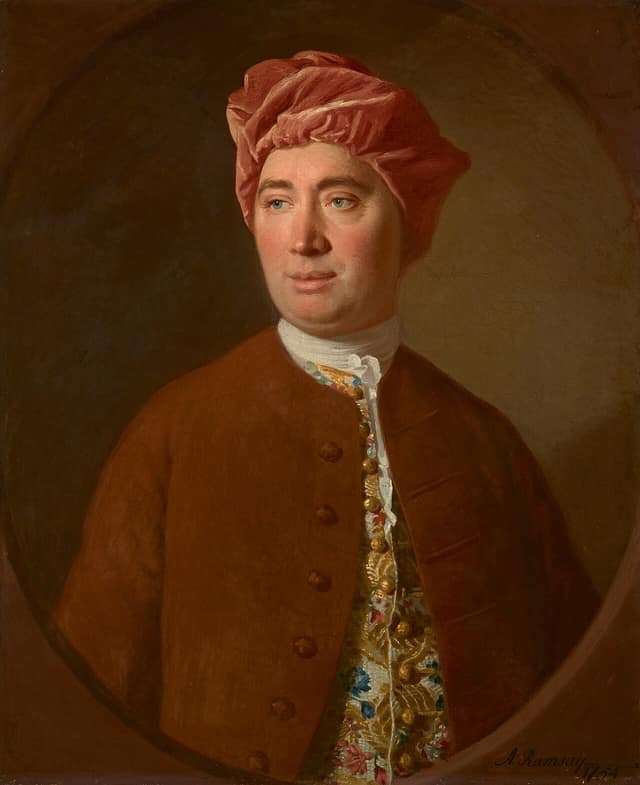
Hume's problem of induction. We expect the future to resemble the past. But why? Not by logic: Hume notes that the sun not rising tomorrow implies no contradiction. And not by experience, because arguing from past successes assumes the very thing we want to prove. Bertrand Russell's chicken makes it vivid: the man who fed it every day at last wrings its neck. Hume adds that we never observe causation itself, only one event constantly followed by another. Correlation, again.
Stanford Encyclopedia of Philosophy · Russell 1912